Fractures, commonly known as broken bones, are disruptions in the continuity of the bone. They can occur from trauma, falls, or medical conditions that weaken the bones. Prompt and effective treatment is crucial for proper healing and to prevent complications.
Types of Fractures
Simple (Closed) Fracture: The bone is broken, but the skin remains intact.
Compound (Open) Fracture: The bone breaks through the skin, increasing the risk of infection.
Greenstick Fracture: Incomplete fracture where the bone bends, common in children.
Comminuted Fracture: The bone is shattered into several pieces.
Stress Fracture: A small crack in the bone caused by repetitive force or overuse.
Pathological Fracture: Occurs in a bone weakened by disease, such as osteoporosis or cancer.
Symptoms of a Fracture
- Severe pain at the injury site
- Swelling, bruising, or tenderness
- Deformity or abnormal positioning of the limb
- Inability to move the affected part
- A grating sensation (crepitus) when moving the bone
Diagnosis
Diagnosis typically involves:
- Physical Examination: Assessing the injury site for signs of fracture.
- Imaging Tests: X-rays are the most common method. CT scans or MRIs may be used for complex fractures.
Treatment
Treatment varies based on the type and severity of the fracture and includes both surgical and non-surgical methods.
Non-Surgical Treatment:
-
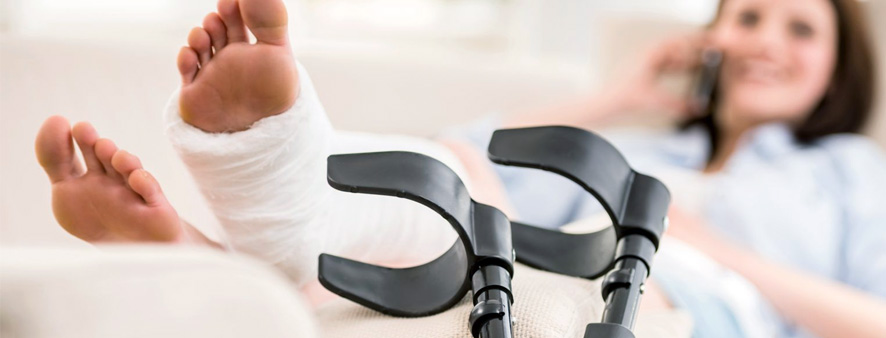
Casting or Splinting: Immobilizes the bone to allow natural healing.
- Bracing: Provides support while allowing limited movement.
- Traction: Aligns the bones using a steady pulling action.
Surgical Treatment:
-
Internal Fixation: Uses metal plates, screws, or rods to hold the bone fragments in place.
- External Fixation: A stabilizing frame outside the body is connected to the bone with pins or screws.
- Bone Grafting: Transplanting bone tissue to aid in healing.
- Traction: Aligns the bones using a steady pulling action.
Rehabilitation and Recovery
-
Physical Therapy: Essential for restoring movement, strength, and function.
- Pain Management: Medications and techniques to manage pain during recovery.
- Follow-Up Care: Regular check-ups to monitor healing progress and adjust treatment as needed.
Complications of Fractures
- Infection: Particularly with open fractures.
- Nonunion: The bone fails to heal properly.
- Malunion: The bone heals in an incorrect position.
- Nerve or Blood Vessel Damage: From the injury or during surgery.
- Compartment Syndrome: Increased pressure within muscles that can lead to tissue damage.
Prevention Tips
-
Bone Health: Maintain a diet rich in calcium and vitamin D.
- Exercise: Regular weight-bearing exercises to strengthen bones.
- Safety Measures: Use protective gear during sports and follow safety guidelines to prevent falls.